
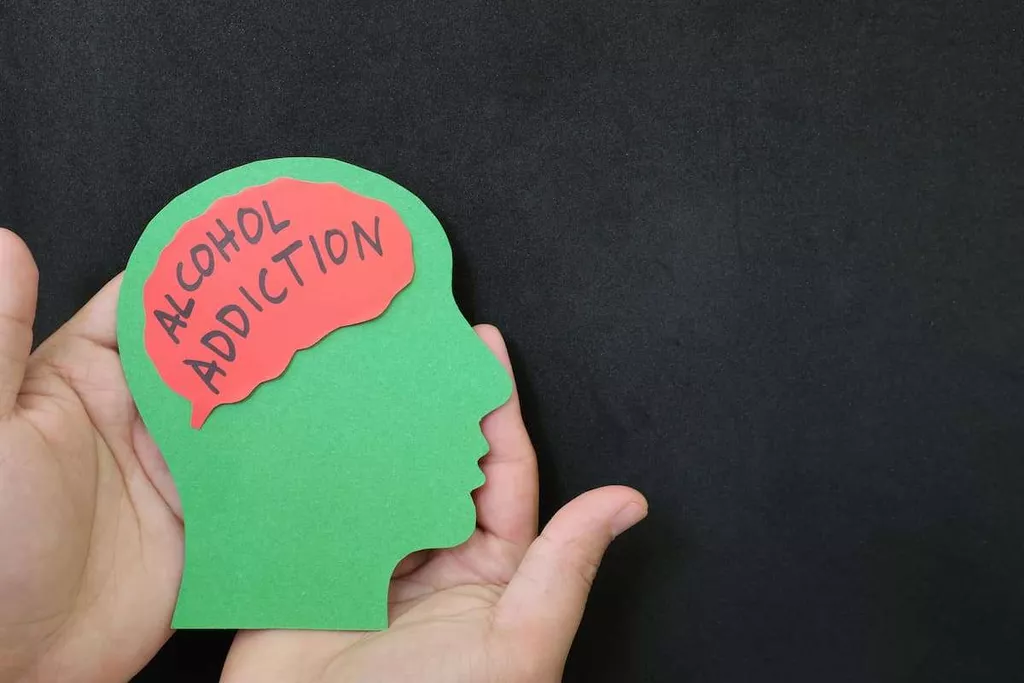
While everyone has their own pace, it’s important to be realistic and not wait too long for things to get worse. If you or someone you care about is struggling to control their alcohol consumption, it’s important to get help for the problem. Ria Health offers support to help people quit or cut back on drinking, all from a smartphone app.
- And if you’re taking medication for your pain, there could be drug interaction risks.
- The level of heat at the center of the body drops slowly yet visibly as the blood that had been cooled flows.
- So, starting with the hard stuff and then slowing down with beer should prevent the spins, right?
- No one said overcoming a drinking problem is easy but it certainly is not impossible.
- But she also thinks she’ll be cutting down her consumption in the near future, which is something she’s done in the past.
- People who feel tired and intoxicated after consuming alcohol may be more likely to acknowledge that they are drunk.
Drinking Clears Toxins from the Body
All these beliefs feel really logical, the problem is that science tells us otherwise. So, we should pay attention to our body’s needs and take better care of it. As you age, you may be more likely to take medication that could enhance the effects of alcohol. There also may be a higher likelihood for older people to have mental health conditions that may contribute to excess drinking. Without treatment, alcoholics risk developing serious health problems, including liver damage, heart disease, and cancer.
Myth Eight: Shrimp, Green Tea, Coffee, More Alcohol, Etc. Will Cure a Hangover
Some myths have been passed down through generations, influencing our drinking Substance abuse habits, and sometimes, even our health. Hangovers are caused by the amount of alcohol consumed and the rate at which it is consumed, not by the kind of alcohol consumed. While metabolizing alcohol, the liver cannot perform its normal functions, one of which is keeping the blood sugar at a normal concentration. The results of this state called hypoglycemia, or lower than normal blood sugar.
Fiction: Cutting back on alcohol won’t impact my weight loss efforts.
However, tolerance and the ability to hold your liquor are not indicators of whether you have an alcohol use disorder. Tolerance simply means that your body has become accustomed to large amounts of alcohol, which often leads to increased drinking. While it might help you nod off initially, it negatively affects your sleep later in the night. Many people (including my former self) report waking up at around 3 a.m. That’s because alcohol messes with your REM sleep, leaving you tossing and turning. And when the effects of alcohol wear off, your brain activity ramps back up, jolting you awake.

Common myths about alcohol include beliefs like “beer before liquor, never been sicker,” which suggests drink order matters. However, the truth is that total alcohol consumption and dehydration are the main contributors to hangovers, not the sequence in which drinks are consumed. Many people believe that as long as their drinking habits aren’t affecting anyone else, they don’t have a problem. However, alcohol use disorder can still be present even if it doesn’t seem to affect others.
- Drinking alcohol can leave you feeling more energetic and cheerful, but this is simply because it lessens your inhibitions, allowing you to indulge in unsafe acts.
- Which is to say, mix your alcohol types as much as you want, but if you do make that switch from beer to liquor, make sure you slow yourself down along the way.
- Even though many of these myths might sound logical, in reality, they aren’t and can lead to dangerous behaviors.
The Truth About Happiness: 6 Scientific Things You Didn’t Know About It
The change in blood vessels, as mentioned in Myth 3, can cause headaches. Lastly, a hangover is actually a “mini-withdrawal.” When the central nervous system is released from the depressed state, myths about alcohol the opposite state develops-feeling edgy and irritable. The person who can drink large quantities of alcohol without feeling the “normal” effects may have developed a tolerance to alcohol. Tolerance comes from chronic use of alcohol that results in physical and mental adaptation to its presence in the body. The development of tolerance is shown by an increase in the amount of alcohol required to produce the desired effects and can indicate the onset of physical dependence.
Myth #5: Alcohol Doesn’t Affect Your Athletic Performance
A common myth around teens and young adults is that it’s more responsible to give minors alcoholic drinks with adult supervision. This myth is based on the idea that kids will drink anyway, so they might as well be in the presence of a responsible adult. You may have heard myths about alcohol and alcohol use disorder presented as facts. While some myths might be more harmful than others, it’s essential to understand the realities of alcohol and alcohol use disorder. In the end, alcohol is something that has to be approached with a clear understanding of the risks involved. Sure, it’s fun in the moment, but from what I’ve learned through personal experience the long-term effects aren’t something to ignore.
This saying suggests that consuming beer before liquor will lead to illness or hangovers. However, the order of drinks does not determine how sick you feel after drinking. You’ve probably heard that a drink before bed will help you sleep, but according to Cleveland Clinic, drinking before bed will backfire. Dr. Joseph Janesz, clinical dependency specialist, tells Cleveland Clinic that alcohol might help you fall asleep, but it interrupts deep sleep making you feel tired the next day.